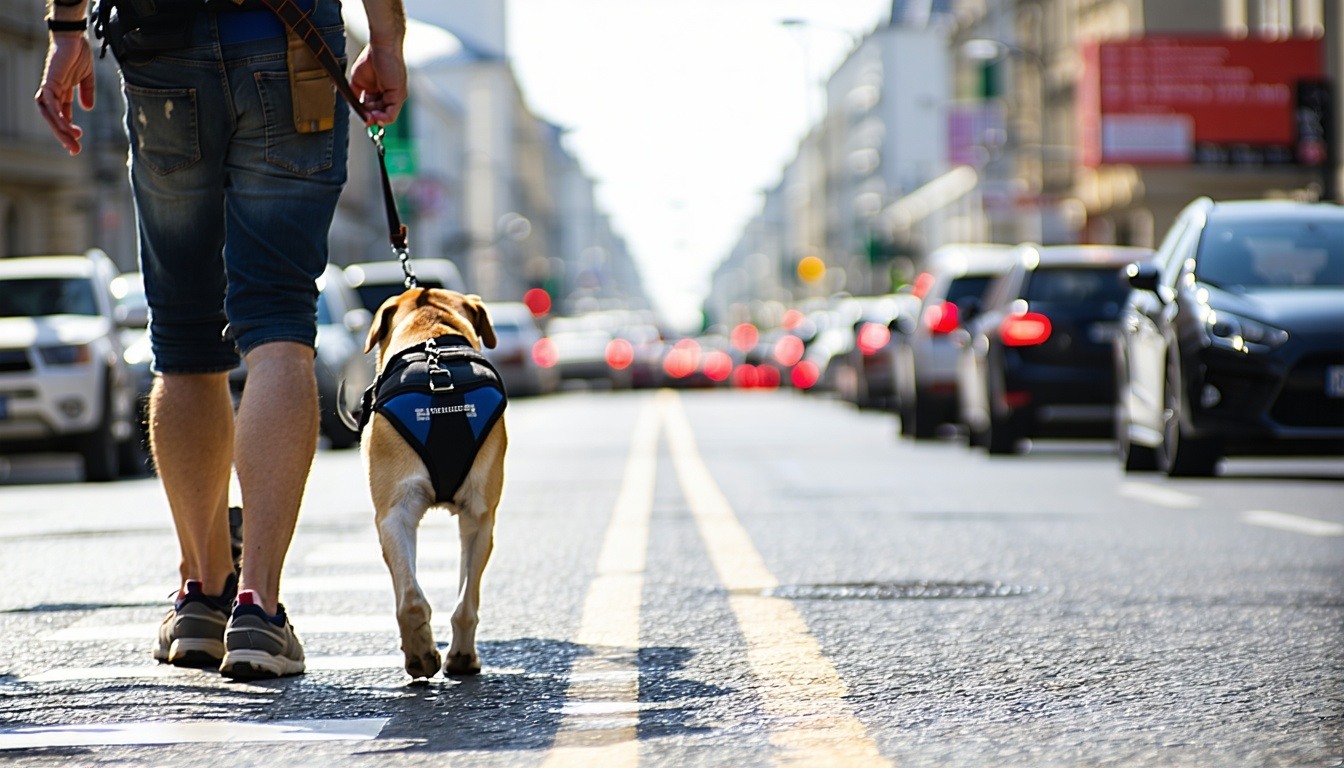
Service dogs play a crucial role in the lives of their handlers, and understanding proper etiquette when interacting with these dedicated animals is essential for their effectiveness and safety.
Understanding the Role of a Service Dog
Service dogs are specially trained to assist individuals with disabilities, providing them with the support they need to navigate daily life. These dogs are not pets but working animals with a vital job to do. They help their handlers with tasks that might otherwise be difficult or impossible, such as guiding those who are visually impaired, alerting individuals with hearing impairments to important sounds, or even detecting medical conditions like seizures or low blood sugar.
The bond between a service dog and their handler is built on trust and mutual reliance. This relationship is essential for the handler's independence and safety. Therefore, it is crucial for the public to understand and respect the role of these incredible animals.
Why Proper Etiquette Matters
Proper etiquette when interacting with service dogs is important because it ensures that these animals can perform their duties without distraction. Disruptions can break the focus of a service dog, which can be dangerous for their handler. For instance, a guide dog leading a visually impaired person through a busy street needs to remain completely attentive to ensure their handler's safety.
By following proper etiquette, you are not only showing respect for the service dog and their handler but also contributing to the overall well-being and independence of the individual who relies on the dog’s assistance.
Do's and Don'ts When You Encounter a Service Dog
Do: Always ask the handler for permission before interacting with their dog. Respect their response if they say no.
Don't: Pet, feed, or distract the service dog without explicit permission from the handler. Doing so can hinder the dog's ability to perform its tasks.
Do: Keep your own pets away from a working service dog. Even friendly interactions can be distracting.
Don't: Assume that any dog you see in public is a pet. Service dogs can look like any other dog, but they have an important job to do.
Respecting the Handler's Space and Privacy
Respecting the privacy and space of a service dog handler is just as important as respecting the dog itself. Avoid asking personal questions about the handler's disability or the specifics of their service dog's training. These questions can be intrusive and are often not relevant to your interaction.
Additionally, be mindful of the handler's personal space. Just as you wouldn’t want someone invading your personal space or distracting you while you’re working, the same courtesy should be extended to service dog handlers. This respect allows them to go about their day with the dignity and independence they deserve.
Teaching Children About Service Dog Etiquette
Educating children about the importance of service dogs and how to properly interact with them is crucial for fostering an environment of respect and understanding. Explain to children that service dogs are working animals, not pets, and that they should never approach or touch a service dog without permission.
Teach children to ask the handler if they can pet the dog and to respect the handler’s answer. By instilling these values early on, children will grow up with an awareness of the important role service dogs play and the proper way to interact with them.